 Türkçe
 English

Blog
Bursa Wisdom Tooth Extraction Price 2026 | Surgical Procedures and Factors
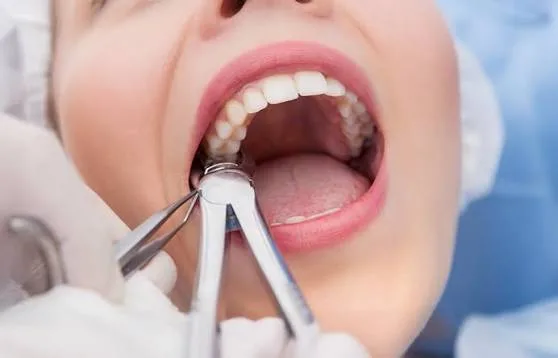
The narrowing of jaw structures through the evolutionary process in human anatomy has led to insufficient space for the third molars, the last teeth to erupt in the mouth (wisdom teeth). These teeth, which usually attempt to erupt between the ages of 17 and 25, may remain impacted within the jawbone due to lack of space, emerge at an incorrect angle and damage surrounding tissues, or cause severe pain. In order to preserve the integrity of oral and dental health, they often need to be extracted or removed surgically.
One of the topics patients research most when deciding on treatment is cost. If you are also experiencing jaw pain, pressure radiating to the ears, or gum swelling and are looking for an objective, clinical, and legally compliant detailed guide about Bursa wisdom tooth extraction price 2026 updates, this article will help you understand how the process works and according to which medical criteria costs are determined.
This content has been prepared in full compliance with health services information regulations in order to inform the public about oral and maxillofacial surgery procedures.
Why Should Wisdom Teeth Be Extracted?
There is no rule that every wisdom tooth must be extracted. If a tooth has fully erupted in the dental arch at the correct angle, can establish a healthy occlusal relationship with the opposing tooth, and can be easily brushed by the patient, it may be retained in the mouth. However, in most cases, this is not how things develop. The main medical conditions that create an indication for wisdom tooth extraction are as follows:
Pericoronitis (Gum Inflammation): The surface of partially impacted teeth remains covered by a piece of gum tissue called a "hood." This area creates an ideal blind spot for food debris and bacteria to accumulate. This area, which cannot be cleaned, quickly becomes infected and leads to severe pain, jaw locking (trismus), and facial swelling.
Pressure on the Front Teeth and Crowding: A wisdom tooth attempting to erupt pushes the healthy teeth in front of it forward. This may cause teeth to shift again, especially in patients who have undergone orthodontic treatment (braces treatment), leading to relapse.
Caries Formation in the Adjacent Tooth: A wisdom tooth impacted in a horizontal position exerts pressure on the root or crown of the second molar directly in front of it, causing deep cavities in that area that are very difficult to treat.
Cyst and Tumor Formation: The follicle (sac) around fully impacted teeth can over time turn into cystic lesions. As these cysts grow, they may cause resorption in healthy jawbone and pave the way for jaw fractures.
What Are the Types of Wisdom Tooth Extraction? (The Main Factor Determining Cost)
In clinical evaluations, wisdom tooth extractions are not grouped under a single heading. The position of the tooth in the mouth directly affects the extent of the surgical intervention to be performed and, naturally, its cost. Extraction procedures are divided into three categories according to their medical degree of difficulty:
1. Simple (Fully Erupted) Wisdom Tooth Extraction
The tooth has fully broken through the gum and emerged into the oral cavity, just like the other molars. There is no bone or gum obstruction over it. In such cases, standard tooth extraction procedures are applied, and suturing is usually not required. Since no surgical procedure is needed, this is the lowest-cost group.
2. Partial Impaction Surgery
While part of the tooth is visible in the mouth, the remaining part is beneath the gum or jawbone. To remove these teeth, a small gum incision (flap) must be made under local anesthesia, and the minimal bone tissue obstructing the tooth's path must be removed. At the end of the procedure, a few stitches are placed in the area.
3. Fully Impacted (Bone-Impacted) Surgical Extraction
The tooth has never reached the oral environment and remains completely impacted within the jawbone. They are usually in a horizontal, reverse, or angled position. In this group, which requires knowledge and experience in maxillofacial surgery, the gum is fully opened, the jawbone around the tooth is removed with special burs, and the tooth is often extracted from the bone not as a single piece but by being divided into several parts (sectioned). Due to its proximity to anatomy (especially the mandibular nerve in the lower jaw), this is the surgical group requiring the highest level of precision and carrying the highest cost.
How Is Bursa Wisdom Tooth Extraction Price 2026 Determined?
As required by legal regulations, it is strictly prohibited for dental clinics, hospitals, or practices to share fixed prices, campaigns, or discounts on their websites or social media accounts in a way that creates competition. This is strictly monitored by the Ministry of Health in order to prevent unfair competition and protect medical ethical rules.
However, it is important for patients to know which official criteria are considered when budgeting for Bursa wisdom tooth extraction price 2026:
1. Turkish Dental Association (TDB) Base Fee Schedule: Every December, the TDB publishes the minimum (base) examination and treatment fee schedule valid across Turkey for the following year. The TDB fee schedule determined for 2026 is the lowest legal limit that clinics must use as a reference. No clinic can perform a procedure below this fee schedule, but pricing above the base rate may be applied depending on the physician's expertise and the clinic's equipment.
2. The Physician's Specialty Status: Will the procedure be performed by a general dentist, or by a maxillofacial surgeon who has completed specialization or a doctorate in Oral, Dental, and Maxillofacial Surgery? Since fully impacted high-risk cases are generally handled by specialist surgeons, this is reflected in the budget.
3. Need for Three-Dimensional Imaging (CBCT): Especially the roots of lower wisdom teeth may be very close to or intertwined with the main nerve pathway (the alveolar nerve) that provides sensation to the lower lip. In cases where standard two-dimensional X-rays are insufficient, a 3D dental tomography scan may be necessary to minimize surgical risks to zero. This additional imaging method is included in the operation cost.
4. Sedation or General Anesthesia: If the patient has severe dental phobia (fear) or if the removal of four impacted teeth in a single session is planned, the procedure may be performed under sedation (deep sleep state) or under general anesthesia in an operating room instead of local anesthesia. The presence of an anesthesiologist and the use of an operating room are important factors that affect the price.
What Awaits You During and After the Operation?
The frightening scenarios about wisdom tooth surgery that spread by word of mouth have largely become a thing of the past thanks to modern anesthetic solutions and advanced surgical instruments.
Clinical Stage
Before the procedure, your doctor will completely numb the relevant area. During the cutting, bone removal, or tooth sectioning stages, you will definitely not feel "pain or aching." The only thing you will feel is a sense of "pressure and pushing" in your jaw. A successful impacted tooth operation takes an average of 20 to 45 minutes, depending on the condition of the tooth.
First 24 Hours (Critical Period)
The sterile gauze placed in the extraction socket after the procedure must be bitten down on firmly for at least 30-45 minutes for bleeding to stop (clot formation). The clot is the wound site's natural bandage. During the first 24 hours, spitting, rinsing the mouth, and using a straw must absolutely be avoided. The negative pressure created can dislodge the clot and disrupt the healing process.
Recovery Process
Since it is a surgical intervention, swelling in the cheek (edema) and slight oozing bleeding are expected for the first 2-3 days. Applying intermittent external ice packs as instructed by your doctor will greatly limit the edema. The prescribed antibiotic (if necessary), painkiller, and antiseptic mouthwashes must be used exactly as directed. Smoking seriously delays healing and may lead to a painful bone infection (alveolitis) because it impairs tissue nutrition in the wound area. Tobacco products should be strictly avoided during this period. Sutures are usually removed painlessly by the doctor within 7-10 days, or if they are the self-dissolving type, they are eliminated by the body.
Insisting on keeping a problematic wisdom tooth in the mouth leads to greater cystic tissue loss and damage to surrounding teeth later in life. Seeking evaluation from a specialist doctor for clinical and radiological assessment without delay is the safest approach.
Legal Notice and Information
This article, prepared within the framework of Law No. 1219 on the Practice of Medicine and Branches of Medicine and the regulations of the Ministry of Health, Regulation on Promotional and Informational Activities in Health Services, is intended solely to inform the public about oral, dental, and maxillofacial surgery procedures. The information contained herein cannot be used for the diagnosis or treatment of diseases, does not constitute a definite surgical commitment or an element of commercial unfair competition. To determine the correct diagnosis suitable for your oral structure, the surgical method to be applied, and a personalized treatment budget, you must undergo a clinical examination directly by a dentist or maxillofacial surgeon.